What Temperature Should You Reheat Food? A Complete Guide for Home Cooks
What Temperature Should You Reheat Food? Reheating leftovers is one of the easiest ways to save time, reduce food waste, and make the most of meals you have already prepared. Whether you are warming up rice, chicken, pasta, soup, curry, meat, pizza, or a meal-prep container from the fridge, the question is the same: what temperature should you reheat food to?
Quick Overview
When reheating food, safety depends on ensuring it is heated thoroughly and handled correctly at every stage. Whether you are using an oven, air fryer, microwave, or hot-holding equipment, it is important to understand safe reheating temperatures and methods to reduce the risk of foodborne illness.
Whether you are cooking at home or preparing food in a workplace setting, this guide walks you through:
✅ Understanding the safe reheating temperature (around 75°C in the centre)
✅ Using ovens, air fryers, and microwaves correctly for even heating
✅ Following proper storage and reheating limits to maintain food safety
From a food-safety perspective, reheated food should be piping hot or steaming hot all the way through. If you are using a food thermometer, a widely recommended practical target is around 75°C at the centre of the food. This helps ensure that the middle of the dish is thoroughly heated, not just the edges or surface.
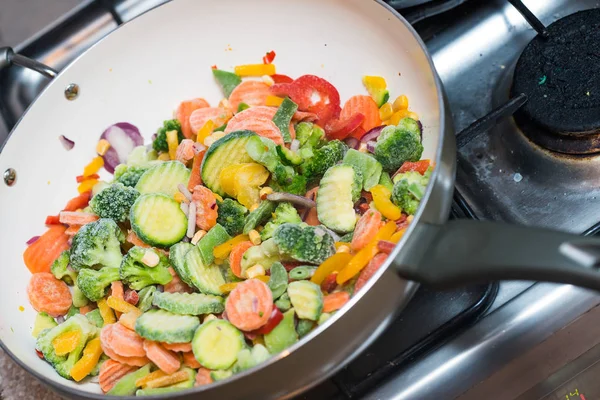
At home, you may not always use a thermometer, and that is perfectly reasonable. However, it is still important to check that food has reheated evenly. Steam should be rising from the centre, sauces should be bubbling, rice and pasta should be stirred thoroughly, and meat should feel hot in its thickest part.
Reheating is not just about comfort or taste; it is also an important part of food safety. Food that has been cooked, cooled, and stored can become unsafe if it is left out for too long, reheated unevenly, or reheated multiple times. This guide explains the recommended reheating temperature, how to reheat different types of food safely, and the simple habits that can help home cooks reduce food-safety risks.
Many people searching What Temperature Should You Reheat Food often want to know how this applies to microwave reheating.
Why Is Reheating Food Safely Important?
What Temperature Should You Reheat Food? What temperature should food be reheated to? What temperature should you reheat food to, and when reheating food what temperature must be reached? These are important food-safety questions because cooked food can still become unsafe if it is cooled, stored, or reheated incorrectly.
Cooking a meal once does not mean it remains safe indefinitely. After food is cooked, it begins to cool. If it is left at room temperature for too long, bacteria can multiply. Similarly, if food is stored uncovered, kept in the fridge for too many days, or reheated repeatedly, the risk of foodborne illness may increase.
This is why reheating should not be treated as simply "warming up" food. Proper reheating means heating food thoroughly so that it is hot all the way through and safe to eat. A dish that is only lukewarm may seem acceptable, but it may not have reached a temperature that supports safe consumption.
The risk is often higher with foods such as rice, cooked chicken, meat, seafood, soups, stews, pasta, dairy-based sauces, and takeaway meals. These foods can be reheated safely, provided they have been cooled, stored, and reheated correctly.
Uneven heating is another common issue. A microwave may heat one side of a dish more than the other. An oven may brown the top of a pasta bake while the centre remains cooler. An air fryer may crisp the outside of food before the inside has fully reheated.
For home cooks, safe reheating comes down to a few practical habits: cool food promptly, refrigerate it correctly, avoid reheating food multiple times where possible, stir food during reheating when appropriate, and always check that the centre is thoroughly hot before eating.
The Recommended Temperature for Reheating Food
What Temperature Should You Reheat Food? What temp should food be reheated to? What temperature should reheated food be, and what temp should you reheat food to for safe eating? As a practical food-safety guideline, reheated food should reach around 75°C at the centre of the food. If you do not have a food thermometer, the food should be steaming hot throughout before it is served.
The centre of the food is important because it is often the slowest area to heat. If you only check the surface, cooler spots may remain inside. This is particularly common with large portions, thick dishes, and food reheated in deep containers.
If you are using a food thermometer, place the probe into the thickest or deepest part of the food. For chicken, check the thickest section. For a casserole or pasta bake, check the middle. For meat in sauce, test the meat itself rather than only the sauce. For rice, stir thoroughly first and then check the centre of the portion.
If you are not using a thermometer, look for practical signs that the food has reheated properly. It should be piping hot throughout, with steam rising from the middle. Sauces should be bubbling, meat should be hot in the centre, and rice or pasta should be stirred well and checked carefully before serving.
It is also important not to confuse appliance temperature with food temperature. Setting an oven or air fryer to 180°C does not mean the food itself has reached 75°C. The appliance temperature refers to the heat surrounding the food. The food still needs sufficient time for the centre to become thoroughly hot.
The same principle applies to microwaves. Most microwaves do not allow you to select a specific food temperature. Instead, you control the cooking time and power level. Because microwaves can heat food unevenly, stirring during reheating and allowing a short standing time afterwards can help the heat distribute more evenly throughout the dish.
What Temperature Should You Reheat Food in the Oven?
What Temperature Should You Reheat Food? What temp should you reheat food in the oven, and what temp should you reheat food to for safe reheating? For many leftovers, an oven setting of around 160°C to 180°C works well. This temperature range is suitable for foods that benefit from even heating and a better texture, such as pasta bakes, lasagne, casseroles, pies, roast dinners, pizza, and cooked meat.
However, it is important to remember that the oven setting is not the same as the food's internal temperature. Your oven may be set to 180°C, but a thick lasagne could still be cool in the centre after only a short reheating time.
To reheat food safely in the oven, preheat the oven first and place the food in an oven-safe dish. If there is a risk of the food drying out, cover it loosely with foil. This helps the centre heat thoroughly before the surface becomes overly dry or browned.
Thicker dishes usually require additional time. A cottage pie, shepherd’s pie, or casserole may appear ready on top while the centre still needs further heating. If possible, check the middle of the dish with a food thermometer. If you do not have one, carefully cut into the centre and make sure steam is rising from the middle of the food.
For foods that should remain crisp, such as pizza, roasted potatoes, or breaded items, remove the foil during the final few minutes of reheating. This allows the surface to crisp up after the centre has reached a suitably hot temperature.

For best results, focus on the temperature of the food itself rather than the oven setting. The goal is to ensure the food is thoroughly heated all the way through, particularly in the centre, before serving.
Many people searching What Temperature Should You Reheat Food often want to know how this applies to microwave reheating.
What Temperature Should You Reheat Food in an Air Fryer?
When asking What Temperature Should You Reheat Food, the answer often depends on the reheating method and the type of food. For many crisp leftovers, an air fryer setting of around 160°C to 180°C works well. This temperature range is suitable for foods such as chips, wedges, fried chicken, pizza slices, breaded fish, pastries, and roasted vegetables.
Many people wonder what temp should you reheat food in an air fryer to achieve both a crisp texture and safe reheating. An air fryer works by circulating hot air around the food, which can restore crispness more effectively than a microwave. However, the outside of the food may appear ready before the centre has reheated fully.
For this reason, it is usually better to use a moderate temperature rather than the highest setting. This gives the inside of the food more time to heat thoroughly without overcooking or burning the exterior. If you are unsure what temp should you reheat food to, remember that the appliance setting is only part of the process. The food itself should be heated all the way through before serving.
Where possible, arrange food in a single layer and avoid overcrowding the basket. Shake or turn the food halfway through reheating to promote more even heating. For chicken, meat, pies, or thick breaded foods, check that the centre is thoroughly hot before eating.
It is also important to understand the difference between appliance temperature and food temperature. Even if the air fryer is set to 180°C, the food still needs sufficient time to become hot in the centre. If available, a food thermometer can help confirm that the food has reached a safe reheating temperature.
Some people also ask what temp should you reheat food to be hot held before serving. While hot holding and reheating are different processes, the key point is that food should first be reheated thoroughly and evenly before being kept hot for serving.
Air fryers are generally less suitable for foods such as rice, soup, stew, curry, or heavily sauced dishes. These foods often require moisture and occasional stirring during reheating, making the hob or microwave a more practical option in most cases.
What Temperature Do You Reheat Food in the Microwave?
Many people searching What Temperature Should You Reheat Food often want to know how this applies to microwave reheating. Unlike ovens and air fryers, microwaves usually operate using power levels and cooking times rather than a specific temperature setting. When considering what temperature should you reheat food in a microwave, the goal is simple: the food should be steaming hot all the way through before it is eaten.
Microwaves can heat food unevenly, which is why some people ask what temp should u reheat food when using this appliance. Rather than focusing on a microwave temperature setting, focus on ensuring the food is heated thoroughly from the outside to the centre.
Use a microwave-safe dish and spread the food out as evenly as possible. If the food appears dry, add a splash of water, stock, gravy, sauce, or milk. Cover it loosely with a microwave-safe lid or cover, leaving a small gap for steam to escape.
Pause halfway through reheating and stir the food thoroughly. This is particularly important for rice, pasta, curry, soup, stew, chilli, and sauces. If the food cannot be stirred, rotate or turn it where possible to encourage more even heating.
After heating, allow the food to stand for one or two minutes. Standing time helps the heat distribute more evenly throughout the dish. Once finished, check the centre carefully before eating.
A hot plate or bowl does not prove that food has reheated safely. The food itself should be piping hot throughout, with no cold spots remaining in the middle.
Key Guidelines for Reheating Different Types of Food (What Temperature Should You Reheat Food)
When considering What Temperature Should You Reheat Food, it is important to remember that different foods require slightly different reheating methods. However, the food-safety goal remains the same: ensuring that food is heated thoroughly and evenly before serving.
Rice
Rice should be reheated with particular care. Add a small amount of water, break up any clumps, and stir thoroughly during reheating. It should be steaming hot throughout and ideally reheated only once. Rice should also be cooled promptly and stored correctly before reheating.
Chicken and Meat
When people ask what temp should you reheat meat to, the most important consideration is that the thickest part of the meat is thoroughly hot. Large pieces of chicken, beef, pork, or lamb can benefit from being sliced or chopped before reheating so heat reaches the centre more effectively. If the meat appears dry, add a little gravy, stock, or sauce to help retain moisture.

Soups, Stews, and Sauces
Soups, stews, and sauces are often best reheated on the hob or in the microwave. Stir them thoroughly during reheating, as the edges can become very hot while the centre remains cooler.
Pasta and Pasta Bakes
Pasta dishes generally need both moisture and sufficient reheating time. Pasta with sauce should be stirred during reheating to distribute heat evenly. Pasta bakes should be checked carefully in the centre, as the top can brown or bubble before the middle has fully reheated.
Seafood
Seafood should be reheated gently but thoroughly. Foods such as salmon and prawns can become dry or rubbery if overheated, but they still need to be hot throughout before serving. If seafood develops an unusual smell, appearance, or texture, it is safer not to consume it.
Takeaway Meals
Takeaway leftovers deserve extra attention because it may be unclear how long the food remained warm before delivery or how long it sat out afterwards. Refrigerate leftovers promptly, reheat them only once where possible, and always check that the centre is thoroughly hot before eating.
When considering What Temperature Should You Reheat Food, it is just as important to understand common mistakes that can make reheated food unsafe.
What Temperature Should You Reheat Food to Be Hot Held?
When discussing What Temperature Should You Reheat Food, it is important to understand the difference between reheating and hot holding. Food that is going to be hot held should be reheated properly first and then kept at the correct holding temperature.
In the UK, hot-held food should generally be kept at 63°C or above. This applies in catering businesses, cafés, schools, care homes, workplace canteens, buffets, and other food-service settings. Common hot-holding equipment includes bain-maries, heated cabinets, soup kettles, and hot display units.
Many people ask what temperature should you warm up food before placing it into hot-holding equipment. The key point is that hot-holding equipment is designed to keep hot food hot. It is not normally intended to reheat cold food directly from the fridge. If chilled food is placed straight into hot-holding equipment, it may take too long to reach a safe temperature throughout.
The safer process is straightforward. Reheat the food first until it is steaming hot all the way through, paying particular attention to the centre of the dish. Once properly reheated, transfer it to suitable hot-holding equipment and keep it at 63°C or above.
People often ask what temperature do you reheat food in the microwave before hot holding. Because microwaves operate using power levels and cooking times rather than a fixed temperature setting, the focus should be on the result. The food should be heated thoroughly so that it is piping hot throughout before being transferred to hot-holding equipment.
Current UK food-safety guidance states that hot food should generally be kept at 63°C or above, except for specific limited exceptions permitted under food-safety regulations.
At home, the same principle applies in a simpler form. If you are reheating food for guests, avoid leaving it sitting at a lukewarm temperature for an extended period. Either serve it promptly while it is hot, keep it properly heated, or cool and store it safely for later use.
What Temp Should You Reheat Meat To? (What Temperature Should You Reheat Food)
When considering What Temperature Should You Reheat Food, meat requires particular attention because it can heat unevenly. As a practical food-safety guideline, meat should be reheated until the thickest part is piping hot. If you are using a food thermometer, aim for around 75°C in the centre or thickest part of the meat.
This is important because a piece of chicken, pork, beef, or lamb may feel hot on the outside while the centre remains cooler. Larger portions are generally more difficult to reheat evenly than smaller pieces, which is why checking the thickest section is essential.
For chicken and other poultry, consider slicing or chopping larger pieces before reheating where practical. If using an oven, cover the meat loosely with foil and add a small amount of gravy, stock, or sauce where suitable. This can help retain moisture while allowing the centre to heat thoroughly.
For pork, use a moderate reheating temperature and add moisture if needed. Pork can dry out quickly during reheating, but it should still be heated all the way through before serving. Avoid underheating meat simply to preserve its texture.
Meat served in sauces also requires careful checking. A curry, stew, or casserole may appear hot and bubbling before the meat itself has fully reheated. Stir the dish thoroughly and check the temperature of the meat, not just the sauce surrounding it.
Regardless of the reheating method used, the goal remains the same: ensuring that the centre of the meat is thoroughly hot before it is eaten. This helps promote even reheating and supports good food-safety practices at home.
Storage Limits Before Reheating
When considering What Temperature Should You Reheat Food, it is important to understand that safe reheating begins with proper storage. If leftovers are not stored correctly, reheating alone may not make them safe to eat.
Leftovers should be cooled and placed in the fridge within two hours of cooking. Once refrigerated, they should generally be eaten within 48 hours or frozen if they will not be consumed in time. Food Standards Agency (FSA) guidance states that leftovers can be eaten cold if they were cooked properly, cooled quickly, and placed in the fridge within two hours, and that they should be eaten within 48 hours or frozen if required.
To help food cool more quickly and safely, divide large portions into shallow containers. Large, deep containers of food such as curry, rice, soup, or stew can retain heat for too long, increasing the risk of bacterial growth. Smaller portions cool more evenly and also reheat more consistently later.

If food has been left out overnight, it should not be reheated or consumed. If you are unsure how long food has been left at room temperature, the safest option is to discard it.
Frozen leftovers should be defrosted safely before reheating, unless packaging or instructions clearly state that they can be cooked from frozen. Once defrosted, food should be reheated thoroughly and eaten promptly, without being left standing for extended periods.
Avoid Reheating Food More Than Once
When considering What Temperature Should You Reheat Food, it is equally important to understand safe reheating limits. Food should generally only be reheated once. The UK Food Standards Agency (FSA) states that reheating means cooking again, not simply warming food, and recommends that food should only be reheated once. (food.gov.uk)
This is one of the simplest and most important food-safety rules to remember. Each time food is cooled, stored, and reheated, there is another opportunity for bacteria to grow if the food is not handled correctly.
A good safety habit is to store leftovers in smaller, portioned containers. If you cook a large batch of rice, curry, pasta sauce, chilli, or soup, divide it into individual portions before refrigerating. This allows you to reheat only the amount you plan to eat.
If you have already reheated a portion and do not finish it, it should not be cooled and reheated again later. In most cases, it is safer to discard it rather than risk improper storage or reheating.
This guideline is particularly important for foods "What Temperature Should You Reheat Food" such as rice, chicken, seafood, dairy-based dishes, egg-based meals, and takeaway leftovers, as these can be more sensitive to temperature abuse during storage and reheating.
Common Reheating Mistakes to Avoid
When considering What Temperature Should You Reheat Food, it is just as important to understand common mistakes that can make reheated food unsafe.
One common mistake is relying only on time. Heating food for a set number of minutes does not automatically make it safe. Portion size, appliance power, container shape, and the type of food all affect how evenly and thoroughly it reheats.
Another mistake is reheating food in deep containers. The outside may become hot while the centre remains cool. Using smaller, flatter portions helps food heat more evenly and reduces the risk of cold spots.
Microwave reheating without stirring is also a frequent issue. Microwaves can create uneven heat distribution, so it is important to pause halfway through, stir thoroughly where possible, allow standing time, and check the centre before eating.
People also often confuse appliance temperature with food temperature. Setting an oven or air fryer to 180°C does not guarantee that the centre of the food has reached a safe internal temperature.
Using unsuitable packaging is another common problem. Food should only be reheated in plastic containers that are clearly labelled as microwave-safe. Foam or takeaway containers should not be reused unless the packaging specifically states that they are safe for reheating.
Finally, do not rely on smell alone. While food that smells off should not be consumed, unsafe food does not always have an obvious odour. Safe storage time, proper handling, and correct reheating are all more reliable indicators of food safety.
Quick Temperature Guide for Reheating Food
If you are unsure about What Temperature Should You Reheat Food, this quick guide provides practical, food-safety-focused recommendations for different situations. It is intended as a general reference to support safe reheating at home and in food-service settings.
| Situation | Recommended approach | Key safety check |
| General leftovers | Reheat until steaming hot throughout | Centre should be piping hot |
| Thermometer check | Aim for around 75°C in the centre | Check thickest or deepest part |
| Oven reheating | Around 160°C–180°C for many leftovers | Ensure centre is fully hot |
| Air fryer reheating | Around 160°C–180°C for crisp foods | Check inside, not just surface |
| Microwave reheating | Use suitable time and power settings | Stir, stand, and check centre |
| Hot holding | Reheat first, then hold at 63°C or above | Do not use hot holding to reheat cold food |
| Meat and poultry | Reheat until thickest part is hot | Slice large pieces where possible |
| Rice | Reheat once until steaming hot | Cool quickly before storing |
| Soups and sauces | Heat until bubbling and steaming | Stir well to avoid cold spots |
This table is a practical guide, but it should not replace careful judgment. The safest approach is always to check the food itself. Appliance settings can help with convenience, but internal temperature and thorough heat distribution—especially in the centre—are the most reliable indicators of safe reheating.

Summary
If you are wondering What Temperature Should You Reheat Food, the safest practical answer is that reheated food should be steaming hot all the way through. If you are using a food thermometer, aim for around 75°C in the centre or thickest part of the food.
For oven and air fryer reheating, a temperature range of 160°C to 180°C is a useful appliance setting for many leftovers. However, this does not replace checking the food itself, as internal temperature is what determines whether the food is properly reheated. For microwave reheating, the focus should be on stirring, allowing standing time, and checking the centre carefully, as microwaves can heat food unevenly.
If food is going to be hot held, it should always be reheated thoroughly first and then kept at 63°C or above. Hot-holding equipment should not be used as a substitute for proper reheating of cold food.
Foods such as rice, chicken, meat, seafood, pasta, sauces, and takeaway meals can all be safely reheated when handled correctly. The key food-safety steps are to cool leftovers promptly, refrigerate them within two hours, reheat only once, and ensure the food is piping hot throughout before serving.
For home cooks, these habits are simple but important. Training Facility UK can help learners develop practical food hygiene knowledge, and understanding safe reheating temperatures is an essential everyday skill that supports safer cooking both at home and in professional environments.