Can You Reheat Salmon? A Complete Guide to Every Method That Actually Works
Can you reheat salmon? Yes, you can reheat salmon safely, provided it has been refrigerated promptly after the original meal, used within 48 hours, and reheated only once until it is steaming hot throughout. From a food safety perspective, proper storage and handling are just as important as the reheating method itself.
Quick Overview
Can you reheat salmon? Yes, salmon can be reheated safely when it has been cooled, stored, and handled correctly after cooking. The key food-safety considerations are prompt refrigeration, proper storage, and reheating only once until the salmon is steaming hot throughout.
This guide covers:
✅ Can you reheat salmon safely and the food-safety rules you should follow
✅ How to store leftover salmon correctly before reheating
✅ Whether you can reheat salmon the next day or reheat it twice
✅ The best ways to reheat salmon using an oven, air fryer, skillet, stovetop, or microwave
✅ Common reheating mistakes that can affect food safety and quality
The bigger challenge is preserving quality. Salmon has delicate flesh and natural oils, so aggressive heat can quickly make it dry, rubbery, or overly fishy. For the best results, a gentle reheating method that warms the fish gradually will usually produce a far better texture and flavour than exposing it to high heat.
The oven is generally the best reheating method for most salmon fillets because it provides gentle, even heat. An air fryer works well when you want a quicker result or a slightly crisp surface. A skillet can help restore browned edges, while the hob is often the best choice for salmon mixed into pasta dishes or sauces. The microwave is the fastest option, but it requires extra care to avoid overcooking.
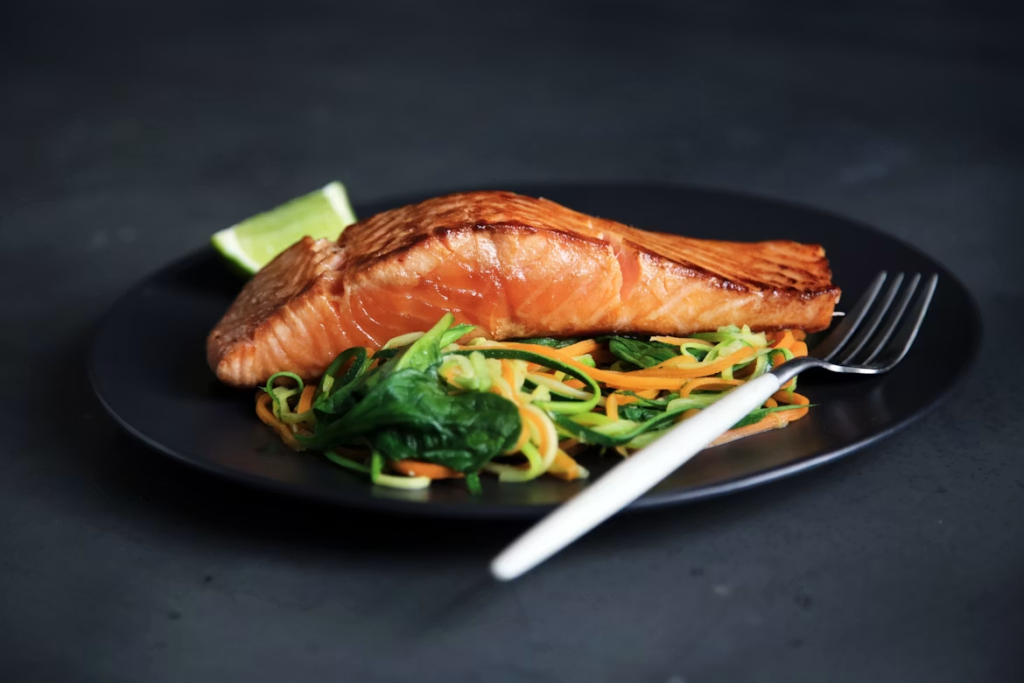
Different salmon dishes also benefit from different reheating methods. Salmon fishcakes and patties respond well to dry heat, whereas creamy salmon pasta dishes usually need added moisture to prevent them from drying out. Salmon en croûte and salmon Wellington should be reheated carefully to warm the filling thoroughly without making the pastry soggy.
From both a food safety and quality perspective, understanding can you reheat salmon correctly helps reduce food waste while ensuring the fish remains safe and enjoyable to eat.
Can You Reheat Salmon Safely?
Can you reheat salmon? Yes, cooked salmon can be reheated safely when it has been handled and stored correctly after the original meal. From a food safety perspective, proper cooling, refrigeration, and reheating are essential to minimise the risk of foodborne illness.
Cooked salmon can be reheated when:
- It was fully cooked the first time
- It was cooled and refrigerated within two hours
- It has remained properly chilled
- It is no more than 48 hours old
- It has not already been reheated
- You will heat it until steaming hot throug
- hout
If you are wondering can you reheat salmon and rice, both foods must have been stored safely after cooking. Rice requires particular care because improper storage can increase the risk of bacterial growth.
Do not reheat salmon that was left on the table all evening or stored under uncertain conditions. Refrigerating it several hours later does not remove the risks created while it was sitting at room temperature.
Appearance and smell can help identify obvious spoilage, but they cannot guarantee that food is safe. If the salmon has a sour or ammonia-like odour, a slimy surface, or unusual discolouration, discard it. You should also throw it away if you cannot confirm when it was cooked or refrigerated.
Storing Leftover Salmon Before Reheating
Proper reheating starts with proper storage. When considering can you reheat salmon safely, what happens immediately after the original meal is just as important as the reheating method itself.
Once the meal is finished, remove the salmon from the warm pan, baking tray, or serving dish. Transfer it to a clean, shallow container and refrigerate it within two hours.
Large portions should be divided before refrigeration. Smaller pieces cool more quickly and allow you to remove only the amount you intend to eat later.
Keep the container covered and store it away from raw meat and other potential sources of contamination. If the salmon is served with a sauce, storing it with the sauce can help retain moisture during reheating. However, crisp-coated salmon, pastry-covered dishes, and fishcakes often maintain their texture better when sauces and accompaniments are stored separately.
If you are asking can you reheat salmon and rice, both items should be refrigerated promptly and stored in clean, covered containers. Rice should generally be consumed within 24 hours, while cooked salmon is typically best eaten within 48 hours.
Cooked salm
on leftovers should generally be eaten or frozen within 48 hours. This guidance applies only when the food was refrigerated promptly and kept consistently chilled. Following these food safety principles helps ensure that can you reheat salmon remains a question of quality rather than safety.
Can You Reheat Salmon the Next Day?
Can you reheat salmon the next day? Yes. Properly refrigerated salmon can be reheated safely the following day, provided it was cooled and stored correctly after the original meal.
In fact, next-day salmon often reheats better than salmon stored closer to the end of the recommended 48-hour period because it may retain more moisture and texture.
Take out only the portion you intend to eat and leave the remainder covered in the fridge. Avoid leaving the entire container on the worktop while deciding how much to serve, as this can affect food safety.
Salmon can also be eaten cold the next day if it was fully cooked, refrigerated within two hours, and kept properly chilled. In some dishes, cold salmon may be preferable when preserving its soft texture is more important than serving it hot.
If you are wondering can you reheat salmon pasta, the same storage principles apply. Both the salmon and pasta should have been refrigerated promptly and stored safely before reheating.
Can You Reheat Salmon Twice?
No. Can you reheat salmon twice is generally not recommended from a food safety perspective.
The safest sequence is:
Original cooking → rapid cooling → refrigeration → one thorough reheating → immediate consumption
Repeatedly heating, cooling, and storing salmon increases opportunities for bacterial growth and makes it harder to track how long the food has spent outside refrigeration.
If you accidentally reheat too much salmon, discard any leftovers rather than returning them to the fridge for another meal.
Pausing during a single reheating session to turn, stir, or check the fish does not count as reheating it twice. You may continue heating immediately until the thickest part is steaming hot throughout.
The Oven Method (Best Overall)
The oven is widely considered the best overall method for reheating salmon fillets, steaks, and larger portions. For anyone asking can you reheat salmon without drying it out, the oven usually delivers the most consistent results because it heats the fish gradually and evenly.

How to Reheat Salmon in the Oven
- Preheat the oven to approximately 150°C to 160°C.
- Place the salmon in a small ovenproof dish.
- Add a teaspoon of water, stock, lemon juice, butter, or olive oil.
- Cover the dish loosely with foil.
- Heat for approximately 10 to 15 minutes.
- Check the thickest part of the salmon.
- Continue heating if necessary until it is steaming hot throughout.
- Serve immediately.
Cooking times will vary depending on the thickness of the fish and the performance of your oven. A thin tail section may warm quickly, while a thick fillet will require additional time.
Covering the salmon helps trap moisture and steam, reducing the risk of drying out. If you prefer a slightly firmer surface, remove the foil during the final few minutes of reheating.
Reheating Skin-On Salmon
Place the salmon skin-side down and keep it covered for most of the reheating process. This helps the flesh remain moist while warming through evenly.
Although the oven is excellent for preserving texture, it may not fully restore crisp skin. For improved results, uncover the fish towards the end of cooking or briefly place it skin-side down in a hot skillet once the centre has reached a safe temperature.
Avoid using very high oven temperatures. Because the fish is already cooked, excessive heat can quickly overcook the outside before the centre becomes hot enough.
For those considering can you reheat salmon in the microwave, the microwave can be used safely, but it generally requires more care to prevent the fish from becoming dry or overcooked. Gentle oven reheating remains the preferred option for maintaining both texture and flavour.
The Air Fryer Method (Quickest and Easiest)
An air fryer provides faster reheating than a conventional oven. For many people wondering can you reheat salmon without spending much time in the kitchen, an air fryer is one of the quickest and most convenient options.
It is particularly useful for salmon patties, fishcakes, breaded salmon, and pastry-covered portions. The circulating hot air helps restore texture while heating the food thoroughly.
However, can you reheat salmon successfully in an air fryer depends on avoiding excessive heat. The circulating air can dry out a plain fillet, so use a moderate temperature and check it frequently.
How to Reheat Salmon in an Air Fryer
- Preheat the air fryer to around 150°C to 160°C if required.
- Lightly brush the salmon with oil or add a few drops of moisture.
- Place it in the basket without overcrowding.
- Heat for three to five minutes.
- Check or turn the portion.
- Continue heating in short intervals until steaming hot throughout.
- Serve immediately.
For delicate portions, can you reheat salmon more effectively by placing the fish in an air-fryer-safe dish or a loose foil parcel with a teaspoon of water or lemon juice. Follow your appliance instructions and avoid restricting airflow.
Glazed salmon should be reheated at a moderate temperature because sugary coatings can burn quickly.
The air fryer works especially well for:
- Salmon patties
- Salmon fishcakes
- Breaded fillets
- Skin-on portions
- Salmon en croûte slices
- Individual salmon Wellington portions
If you are asking can you reheat salmon en croute or can you reheat salmon wellington, the air fryer is often an excellent choice because it helps preserve the crispness of the pastry while reheating the filling thoroughly.
The Skillet Method (Best for Edges)
A skillet is a good choice when you want to restore lightly browned edges or crisp the skin. For those considering can you reheat salmon while maintaining texture, this method can produce excellent results.
It works best for firm salmon fillets and steaks. Very soft or flaky portions may break apart when turned.
How to Reheat Salmon in a Skillet
- Heat a non-stick or well-seasoned skillet over low to medium-low heat.
- Add a small amount of butter or oil.
- Place the salmon in the pan, skin-side down where applicable.
- Add a teaspoon of water beside the fish.
- Cover the pan with a lid.
- Heat gently for two to four minutes.
- Turn the salmon carefully if necessary.
- Continue heating until it is steaming hot in the centre.
When asking can you reheat salmon safely in a skillet, remember that gentle heat is key. The lid helps trap steam while the pan restores texture underneath.
Use a wide spatula and avoid turning the fish repeatedly. Excessive handling can cause delicate salmon to break apart.
Do not press down on the fillet. Pressing forces moisture out of the fish and may leave it dry.
On the Stovetop (Fast & Crispy)
The stovetop method is particularly useful for flaked salmon, sauced dishes, and leftovers that will become part of another meal. If you are wondering can you reheat salmon as part of a larger dish, the stovetop often provides the most control.
Instead of reheating an entire fillet, you can gently warm smaller pieces with pasta, vegetables, potatoes, or sauce.
Reheating Flaked Salmon
Warm the accompanying ingredients first. Once the sauce, pasta, or vegetables are almost ready, reduce the heat and add the cooked salmon.
When considering can you reheat salmon without overcooking it, adding the fish towards the end of cooking helps preserve moisture and texture.
Fold the salmon through gently, cover the pan briefly, and continue heating until the entire dish is steaming hot throughout.
Reheating Salmon in Sauce
Sauce can help protect salmon from drying out during reheating. Tomato, butter, cream, and coconut-based sauces all help transfer heat evenly through the fish.
Heat the sauce gently before adding the salmon. For anyone asking can you reheat salmon pasta in the microwave, it is often worth noting that a stovetop method may provide better texture and more even heating than a microwave.
Avoid boiling the sauce aggressively, as this can make the salmon tough and cause it to break into very small pieces.
For slightly crisp edges, flake the salmon into a lightly oiled pan and leave it undisturbed briefly before turning. This technique works particularly well in potato hash, fried rice, or grain-based dishes.
From a food safety perspective, can you reheat salmon, can you reheat salmon en croute, can you reheat salmon wellington, and can you reheat salmon pasta in the microwave all depend on the same core principles: prompt refrigeration, safe storage, thorough reheating, and consuming the food immediately after reheating.
The Microwave Method (Quickest, but Use Caution)
Yes, can you reheat salmon safely in the microwave? The answer is yes. It is the fastest reheating method, but it is also the easiest way to create dry edges and a cold centre if it is not done carefully.
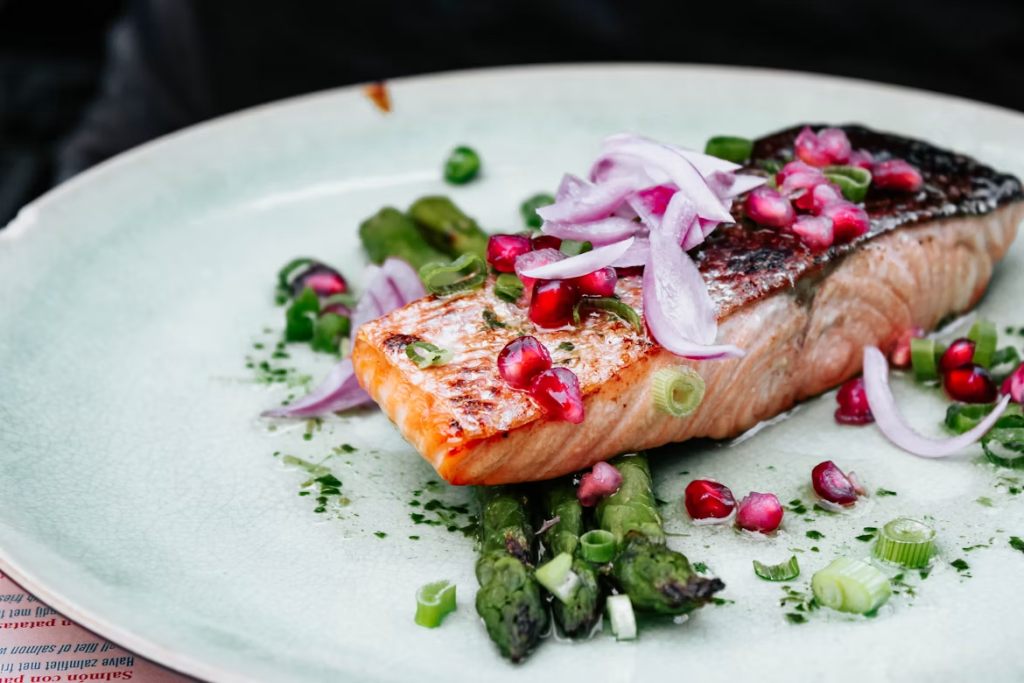
When considering can you reheat salmon the next day, the microwave can be a convenient option provided the salmon was refrigerated promptly after cooking and stored safely.
Use reduced power where possible and heat the fish in short intervals to promote more even heating.
How to Reheat Salmon in the Microwave
- Put the salmon in a microwave-safe dish.
- Add a teaspoon of water, stock, sauce, or lemon juice.
- Cover it loosely with a microwave-safe lid or plate.
- Heat it on medium power for about 30 seconds.
- Turn or rearrange the salmon.
- Continue in 20- to 30-second intervals.
- Check the thickest part.
- Stop when it is steaming hot throughout.
- Allow any recommended standing time before serving.
When asking can you reheat salmon in the microwave, avoid heating a thick fillet at maximum power for several uninterrupted minutes. The thinner edges may become tough while the centre remains cool.
Covering the dish helps retain moisture and reduce splashing. Be careful when lifting the cover because hot steam may escape.
Why You Should Avoid the Microwave
Although can you reheat salmon safely in a microwave is a valid question, the microwave is not always the best choice for preserving quality.
Uneven Heating
Microwaves can create hot and cold spots. When considering can you reheat salmon the next day, remember that a thin edge may become overcooked while the thickest section is only warm.
Short heating intervals, turning the fish, and allowing standing time can help, but the oven generally provides more even results.
Dry Texture
Microwaves heat moisture rapidly. As a result, can you reheat salmon successfully often depends on careful timing, as the fish can become dry, firm, or rubbery within a short period, especially at full power.
Stronger Smell
Microwaving releases steam and natural fish oils quickly. For people asking can you reheat salmon at work or in a shared kitchen, this may create a stronger odour than oven reheating.
Soft Skin, Crumbs, and Pastry
Microwaves do not restore crisp textures particularly well. Salmon skin, breadcrumbs, pastry, and coatings may become soft rather than crisp.
If you are wondering can you reheat salmon fishcakes or pastry-covered salmon dishes, an oven or air fryer will usually provide better texture than a microwave.
Use the microwave when speed is the priority, but take care to heat the salmon evenly and thoroughly.
Can You Reheat Salmon and Rice?
Yes, can you reheat salmon with rice safely? You can, but the rice requires stricter storage controls.
Cooked salmon leftovers can generally be refrigerated for up to 48 hours. Cooked rice should be cooled quickly, refrigerated promptly, and usually consumed within 24 hours. Therefore, a combined salmon and rice meal should follow the shorter rice storage limit.
When considering can you reheat salmon the next day with rice, cool the meal promptly, preferably within one hour, refrigerate it, and reheat it only once within the recommended timeframe.
Where possible, separate the ingredients before reheating. Add a small amount of water to the rice, cover it, and stir during reheating. Warm the salmon more gently using an oven, skillet, or reduced microwave power.
If the ingredients cannot be separated, cover the dish and microwave it in stages. Stir the rice carefully without breaking the salmon apart and ensure both components are steaming hot throughout.
Can You Reheat Salmon Pasta?
Yes, can you reheat salmon in a pasta dish? Salmon pasta can be reheated safely when it was refrigerated within two hours of cooking and stored for no more than 48 hours.
Creamy Salmon Pasta
Place the pasta in a saucepan over low heat. Add a splash of milk, cream, or water and stir gently until the entire dish is steaming hot.
When considering can you reheat salmon in creamy sauces, avoid vigorous boiling because the sauce may separate and the salmon may become tough.
Tomato-Based Salmon Pasta
Add a spoonful of water if the sauce has thickened during storage. Warm it over low to medium-low heat and stir carefully until fully heated.
Can You Reheat Salmon Pasta in the Microwave?
Yes. Put the pasta into a microwave-safe bowl, add a splash of suitable liquid, and cover it loosely.
When asking can you reheat salmon in the microwave as part of a pasta dish, heat it in short intervals and stir between each stage.
Check that the pasta, sauce, and pieces of salmon are all steaming hot before serving. A deep bowl can hide cold spots, so do not judge the temperature solely from the surface.
The same approach applies if you are asking can you reheat salmon patties or can you reheat salmon fishcakes. Thorough reheating, even heat distribution, and safe storage before reheating are all essential for both food safety and quality.
Can You Reheat Salmon en Croute?
Yes. Can you reheat salmon en croute safely? The answer is yes, provided it has been stored correctly and refrigerated promptly after cooking.
Salmon en croute is best reheated in the oven because dry heat helps restore the pastry while warming the filling evenly. When considering can you reheat salmon without making the pastry soggy, the oven is usually the preferred method.
Preheat the oven to around 160°C to 180°C. Place the portion on a baking tray and cover it loosely with foil during the first part of reheating.
Remove the foil near the end so the pastry can become crisper. Continue heating until the salmon filling is steaming hot in the centre.
A whole salmon en croute will take longer to reheat than an individual slice. For anyone asking can you reheat salmon en croute successfully, portioning it before reheating can help the centre warm more evenly.
Avoid the microwave where possible. Although can you reheat salmon safely in the microwave, it may leave the pastry damp while overheating parts of the filling.
Can You Reheat Salmon Wellington?
Yes. Can you reheat salmon Wellington safely? Yes, provided it has been refrigerated correctly and is reheated thoroughly before serving.
Salmon Wellington can be reheated using either the oven or an air fryer. For most people wondering can you reheat salmon in the oven while maintaining crisp pastry, these methods provide the best results.
For the oven, cover the portion loosely with foil and warm it at a moderate temperature. Remove the foil near the end of reheating to help refresh the pastry.
In an air fryer, use moderate heat and check the Wellington frequently. When considering can you reheat salmon in an air fryer, remember that the pastry may brown before the centre becomes fully hot.
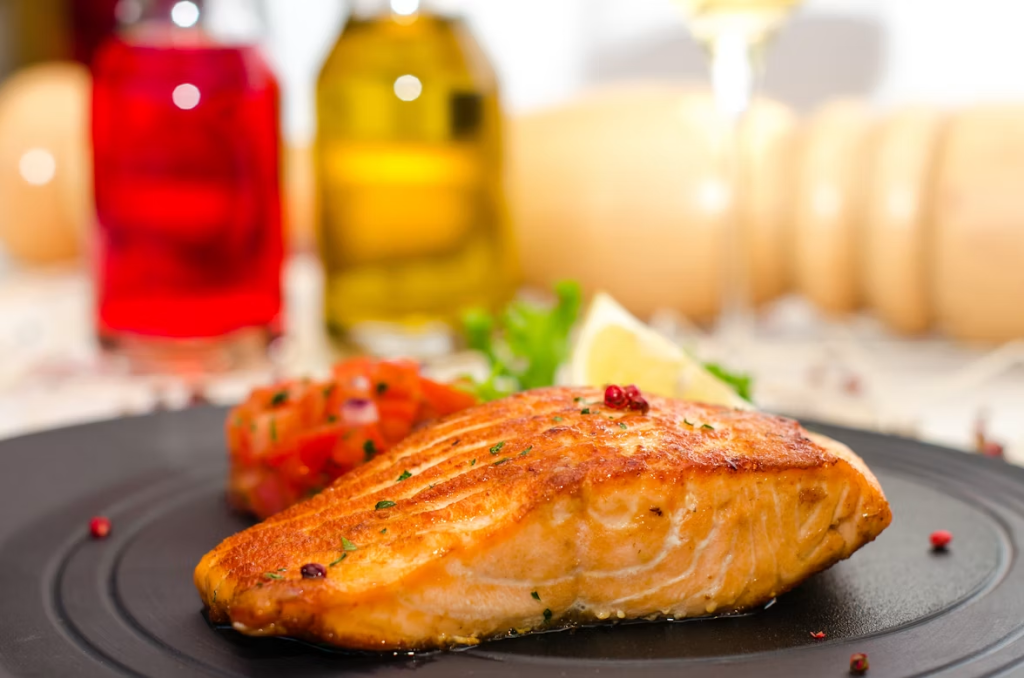
Individual portions generally reheat more successfully than a large whole Wellington. Whatever method you choose, can you reheat salmon safely depends on ensuring the filling is steaming hot throughout before eating.
Can You Reheat Salmon Patties?
Yes. Can you reheat salmon patties successfully? In most cases, they reheat very well because their flatter shape allows heat to reach the centre relatively quickly.
The best reheating methods are:
| Method | Result |
| Air fryer | Crisp outside with fast reheating |
| Skillet | Browned edges and good control |
| Oven | Even heating for several patties |
| Microwave | Fast but softer texture |
When using a skillet, add a small amount of oil and cook the patties over medium-low heat, turning carefully. For anyone asking can you reheat salmon patties while keeping them crisp, a skillet or air fryer usually gives the best results.
In an air fryer, heat the patties in a single layer and turn them if necessary to encourage even reheating.
Always check the middle before eating. When considering can you reheat salmon twice safely, remember that a crisp exterior does not guarantee that the centre has become thoroughly hot.
Can You Reheat Salmon Fishcakes?
Yes. Can you reheat salmon fishcakes safely? Absolutely, provided they have been stored correctly and reheated thoroughly.
Salmon fishcakes are generally best reheated in the oven or air fryer because these methods help preserve the coating while heating the filling evenly.
For the oven, place the fishcakes on a baking tray and heat at approximately 180°C for around 10 to 15 minutes. Turn them halfway through if required.
For the air fryer, heat them at around 160°C to 180°C for approximately five to eight minutes, depending on their size.
When asking can you reheat salmon fishcakes successfully, it is important to remember that larger fishcakes may require additional time. The potato and salmon filling can remain cool even when the outside coating appears crisp.
Always check that the centre is steaming hot before serving. Although can you reheat salmon fishcakes in the microwave, this method is more likely to soften the coating and affect the overall texture.
Mistakes to Avoid When Reheating Salmon
Leaving It at Room Temperature
When considering can you reheat salmon safely, proper storage is essential. Refrigerate cooked salmon within two hours of cooking and do not leave it on a table or worktop all evening.
Reheating It Twice
A common question is can you reheat salmon more than once. From a food safety perspective, salmon should only be reheated once. Heat individual servings rather than reheating the entire container.
Using Excessive Heat
If you are wondering can you reheat salmon without drying it out, avoid high temperatures. Excessive heat can dry the fish before the centre has warmed properly. Moderate heat provides better control and helps preserve texture.
Forgetting Moisture
When asking can you reheat salmon successfully, remember that a teaspoon of water, stock, sauce, lemon juice, or oil can help protect the fish from drying out during reheating.
Reheating It Uncovered
For anyone considering can you reheat salmon in the oven or microwave, loosely covering the fish helps trap steam and maintain moisture while it heats.
Overcrowding the Container
Can you reheat salmon evenly when several portions are packed together? Often not. Crowded food heats less consistently, so leave enough space for hot air or steam to circulate.
Trusting a Fixed Time
When deciding can you reheat salmon safely, do not rely solely on reheating times. Appliances and portion sizes vary, so always check the actual food rather than assuming a stated time will be sufficient.
Ignoring the Centre
The surface may feel hot while the thickest section remains cool. Can you reheat salmon properly? Only if the centre is steaming hot throughout.
Forgetting Other Ingredients
When considering can you reheat salmon as part of a complete meal, remember that rice, pasta, cream sauces, and pastry all have their own reheating requirements. The entire dish should be steaming hot, not just the salmon.
Try It Cold
Many people ask can you reheat salmon, but properly cooked and refrigerated salmon does not always need reheating. Serving it cold often preserves more moisture and avoids the stronger smell sometimes associated with warming fish.
Cold salmon works well in:
- Salads
- Sandwiches
- Wraps
- Bagels
- Pasta salads
- Couscous dishes
- Potato salads
- Grain bowls
- Cold noodle dishes
If you are deciding can you reheat salmon or serve it cold, consider flaking the fish and combining it with lemon, cucumber, herbs, yoghurt, mayonnaise, mustard, or capers.
Keep the salmon refrigerated until you are ready to eat. A cold salmon lunch should not sit in a warm bag or on a desk for several hours.
When combining cold salmon with cooked rice, follow the stricter rice-storage guidance. Even when considering can you reheat salmon, safely refrigerated rice should generally be consumed within 24 hours.
Pro Tip: Skip Reheating Altogether!
Instead of focusing on can you reheat salmon to make it taste exactly as it did when freshly cooked, consider turning leftovers into a completely different cold meal.
Mix the salmon with yoghurt, lemon, and herbs for a sandwich filling. Add it to salad leaves and vegetables, serve it on a bagel with soft cheese, or fold it into a chilled pasta salad.
Skipping reheating offers several advantages:
- The salmon is less likely to dry out.
- There is no risk of uneven microwave heating.
- Crispness is no longer expected.
- Preparation is quicker.
- You avoid strong fish odours in shared kitchens.
Even if you choose not to reheat it, can you reheat salmon safely still depends on the same food-safety principles. The fish should have been cooked properly, refrigerated within two hours, and consumed within 48 hours.
Understanding how time, temperature, and storage affect leftovers is an important part of everyday food-hygiene knowledge and safe food handling practices.
Choosing the Right Reheating Method
When asking can you reheat salmon, choosing the right reheating method can help maintain both food safety and quality.
| Salmon dish | Best method |
| Plain fillet | Oven |
| Skin-on fillet | Skillet or air fryer |
| Flaked salmon in sauce | Stovetop |
| Salmon pasta | Stovetop or microwave |
| Salmon and rice | Microwave, preferably separated |
| Salmon en croûte | Oven |
| Salmon Wellington | Oven or air fryer |
| Salmon patties | Air fryer or skillet |
| Salmon fishcakes | Oven or air fryer |
| Delicate poached salmon | Low oven or serve cold |

Final Thoughts
Can you reheat salmon? Yes, salmon can be reheated safely when it was cooked properly, refrigerated within two hours, and stored for no more than 48 hours. It should only be reheated once and must be steaming hot throughout before serving.
For anyone wondering can you reheat salmon while maintaining the best texture, the oven is generally the preferred method because its gentle heat helps protect the fish from drying out. The air fryer offers speed and crispness, while a skillet works well for restoring browned edges. The stovetop is particularly useful for flaked salmon and sauced dishes.
Although can you reheat salmon in the microwave safely, it requires additional care. Cover the fish, add a little moisture, use moderate power, and heat it in short intervals to encourage even warming.
Take extra care with combined dishes. When considering can you reheat salmon with rice, remember that rice has a shorter recommended storage period and should generally be eaten within 24 hours. Salmon pasta should be stirred carefully, while salmon en croûte and salmon Wellington benefit from dry heat that helps preserve the pastry.
Salmon can also be enjoyed cold, and in some cases this is the best way to preserve moisture and texture. Ultimately, can you reheat salmon safely depends more on proper storage and handling than on the appliance you choose. If you are uncertain about how the fish was stored, it is safer to discard it than take a risk.