Can You Reheat Food? A Definitive Guide
Can you reheat food? Yes, you can reheat food safely, but only if it has been stored correctly and reheated thoroughly. According to established food safety guidance, reheating is not just about making leftovers warm enough to eat. It is about ensuring that food becomes piping hot all the way through, helping to reduce the risk of harmful bacteria surviving and making the food safer to serve and enjoy.
Quick Overview
Can you reheat food? Yes, you can reheat food safely if it has been stored correctly, refrigerated promptly, and reheated thoroughly until it is piping hot all the way through. In most cases, foods like rice, chicken, pork, seafood, eggs, pasta and takeaway meals can be reheated, but only once.
In this guide, you’ll learn:
✅ How to safely reheat common foods like rice, chicken, pork, salmon, prawns and scrambled eggs
✅ Why food should only be reheated once and not multiple times
✅ How to avoid risks with microwaves, ovens, air fryers and slow cookers
✅ Which containers are safe, including plastic and Styrofoam
✅ When not to reheat food (including “do not reheat” labels and unknown food history)
This applies to everyday leftovers such as rice, chicken, pork, salmon, prawns, scrambled eggs, soup, curry, pasta and takeaway meals. It also applies when using different reheating methods, including the microwave, oven, air fryer or hob. Whatever method you use, the food should be heated evenly and thoroughly before serving.
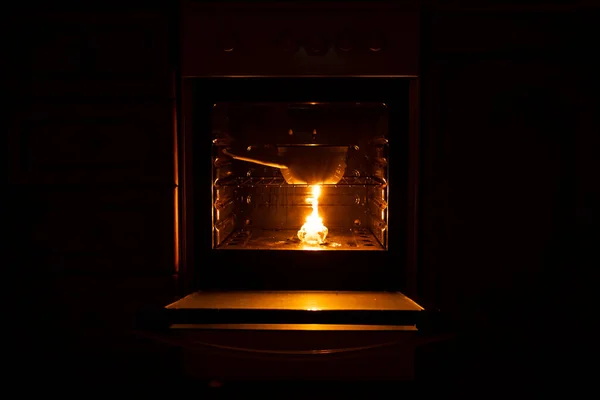
The simple rule is this: if food has been cooked, cooled and stored correctly, you can usually reheat it once. However, if it has been left out at room temperature for too long, reheated previously, stored in unsuitable packaging or labelled “do not reheat”, it is safer not to take the risk. When in doubt about the safety of leftover food, it is generally best to discard it.
For Training Facility UK learners, this is valuable knowledge beyond the home kitchen. Safe reheating forms part of good food hygiene practice in catering, hospitality, care, cleaning, education and food service settings. Understanding and following food safety principles helps protect customers, colleagues, service users and anyone you prepare food for.
As with all food safety advice, staff should follow their workplace procedures and any relevant UK food hygiene guidance to ensure food is handled, stored and reheated safely.
Can You Reheat Food?
Most cooked foods can be reheated if they have been handled, cooled and stored safely. If you are wondering, can you reheat food, the answer is usually yes, provided it has been prepared and stored in line with basic food hygiene guidance. This includes cooked chicken, rice, pasta, vegetables, soup, stew, curry, pork, salmon, prawns and many takeaway dishes.
However, reheating does not automatically make unsafe food safe again. If food has been left at room temperature for too long, stored uncovered, kept in the fridge for too many days or reheated already, it may no longer be suitable to eat.
This is where many people go wrong. They assume heat solves everything. Proper reheating can help reduce food safety risks, but it cannot always undo poor storage practices. Food safety guidance highlights that some bacteria can multiply while food is cooling or sitting out, and certain risks may remain even after the food is hot again.
Before reheating anything, ask yourself a few quick questions. Was the food cooled and refrigerated promptly after cooking? Has it been stored in a clean, covered container? Has it already been reheated once? Does it look and smell normal? If you are unsure, it is safer not to eat it.
A takeaway left out overnight should not be reheated the next day. A portion of rice that sat out for hours should not be treated like freshly cooked rice. A piece of chicken that has already been reheated and cooled again should not be warmed for a second meal.
Many people also ask, can you reheat food twice? Food safety guidance generally recommends reheating food only once. Repeated cooling and reheating can increase the risk of bacterial growth and reduce food quality, particularly if the food is not handled correctly between reheating cycles.
Safe reheating starts before the appliance is switched on.
Reheat Until Piping Hot
The most important rule is to reheat food until it is piping hot all the way through. Warm is not enough. Hot edges are not enough. The centre of the food must be hot too.
If you use a food thermometer, a commonly recommended practical target is around 75°C in the centre of the food. If you do not use a thermometer at home, look for clear signs that the whole dish is hot. Steam should rise from the middle. Sauces should bubble properly. Meat should be hot in the thickest part. Rice and pasta should be stirred and checked carefully.
This matters because food often reheats unevenly. A curry may bubble around the sides while the centre stays cooler. A pasta bake may look ready on top while the middle is still lukewarm. A piece of chicken may feel hot on the outside but remain cooler inside.
The reheating method does not change the safety rule. Whether you use a microwave, oven, air fryer, hob, toaster oven or Instant Pot, the food should be hot throughout before eating. Many people ask, can you reheat food in air fryer? In most cases, yes. An air fryer can be an effective way to reheat many foods, provided the food reaches a safe temperature throughout and is checked carefully before serving.
Following recognised food hygiene principles helps reduce the risk of foodborne illness and supports safer food handling at home and in professional food service environments.
Stir If Using a Microwave
Microwaves are quick, but they can heat food unevenly. One part of the dish may become very hot while another part stays cool. These cold spots are one of the main risks of microwave reheating.
If you are wondering can you reheat food safely in a microwave, the answer is yes, provided the food has been stored correctly and is heated thoroughly throughout.
If you reheat food in a microwave, use a microwave-safe dish. Spread the food out as evenly as possible and cover it loosely with a microwave-safe lid or cover. Add a splash of water, stock, sauce, milk or gravy if the food looks dry.
Pause halfway through and stir the food well. This is especially important for rice, pasta, soup, curry, stew, chilli, sauces and ready meals. If the food cannot be stirred easily, rotate or turn it where possible.
After microwaving, let the food stand for one or two minutes. This gives the heat time to move through the dish. Then check the centre before serving.
Microwaves are not unsafe by themselves. The problem is careless microwave reheating. If you heat food quickly and eat it without stirring, standing or checking, you may miss cold areas. Following basic food hygiene guidance helps ensure food is heated evenly and safely.
Reheat Only Once
Food should generally only be reheated once.
People often ask, can you reheat food twice, can you reheat food more than once, or can you reheat food multiple times. Food safety guidance generally advises against reheating the same portion repeatedly. Reheating food once after proper storage is usually acceptable, but repeated cooling and reheating can increase food safety risks if the food is not handled correctly.

The problem is the repeated cycle of cooling, storing and reheating. Each time food moves through warmer temperatures, bacteria may have another opportunity to multiply if the food is not cooled, stored or reheated properly.
The easiest way to avoid this is to portion food before storing it. If you cook a large amount of curry, soup, chilli, rice, pasta sauce or stew, divide it into smaller containers before putting it in the fridge. Then you can reheat only what you need.
This is safer and more practical. Smaller portions cool faster, reheat more evenly and reduce waste. They also tend to maintain better quality because the food is not being repeatedly warmed and cooled.
If you reheat a portion and do not finish it, food safety advice generally recommends not returning it to the fridge for reheating again later. While it may seem wasteful, discarding it is often the safer option.
The 2-Hour Window
The two-hour window is a simple food safety principle: cooked food should not sit at room temperature for too long before it is refrigerated. As a general rule, leftovers should be cooled and placed in the fridge within two hours.
This matters for cooked rice, chicken, pork, seafood, eggs, pasta, sauces, dairy-based dishes and takeaway meals. These foods can become unsafe if they remain at room temperature for extended periods after cooking.
Do not leave leftovers out overnight. If food has been sitting on the counter since the previous evening, reheating it the next day is not a safe solution. It may become hot again, but food safety risks may already have developed while it was left out.
To cool food more quickly, divide large portions into shallow containers. A deep pot of rice, stew or curry can take a long time to cool. Smaller portions cool faster and are easier to store safely.
Once food is cool enough, cover it and refrigerate it. If you do not plan to eat it within a safe timeframe, freeze it instead.
Mind Your Rice ( Can you reheat food)
Rice needs special care. You can reheat rice, but only if it was cooled, stored and reheated correctly.
The concern with rice is linked to a bacterium called Bacillus cereus. Food safety authorities note that uncooked rice can contain spores that survive cooking. If cooked rice is left at room temperature for too long, those spores can develop into bacteria and produce toxins. Reheating may not remove these toxins once they have formed.
This is why leftover rice should be cooled quickly and refrigerated as soon as possible, ideally within one hour. Do not leave rice sitting in a pan, rice cooker or takeaway container for an extended period before storing it.
When reheating rice, add a small splash of water, break up clumps and stir well. Whether you use a microwave, hob or pan, the rice should be steaming hot throughout. Check carefully because clumps can remain cooler in the middle.
Do not reheat rice more than once. This applies to plain rice, fried rice, pilau rice, takeaway rice and rice-based leftovers.
Many people also ask, can you reheat food in the oven? Yes, the oven can be an effective reheating method for rice dishes, casseroles, pasta bakes and many other leftovers, provided the food is heated until piping hot all the way through.
Another common question is, can you reheat food with sour cream in it? In many cases, yes. However, dishes containing sour cream should be refrigerated promptly after cooking and reheated carefully to ensure they are heated thoroughly throughout. The texture may change slightly during reheating.
Some people ask, can you reheat food in a slow cooker? A slow cooker is generally designed for cooking rather than reheating. Food safety guidance often recommends reheating food using a microwave, oven or hob first to bring it up to a safe temperature before transferring it to a slow cooker to keep warm if needed.
Can you reheat microwave rice? Yes. If you are cooking it fresh from the packet, follow the manufacturer's instructions. If you have leftover cooked microwave rice, treat it like any other cooked rice: cool it quickly, refrigerate it promptly, reheat it once and ensure it is piping hot before eating.
Following recognised food hygiene principles and official food safety guidance helps reduce the risk of foodborne illness and supports safer food handling both at home and in professional food service environments.
Chicken and Meats
You can reheat chicken, cooked chicken, pork and other meats, but the food must be piping hot all the way through. If you are wondering can you reheat food such as chicken, pork or other cooked meats, the answer is generally yes, provided it has been stored safely and reheated thoroughly.
Large pieces of meat can stay cool in the middle even when the outside feels hot. To make reheating easier and safer, slice or chop meat into smaller pieces before heating. Smaller pieces heat more evenly and are easier to check.
If reheating chicken in the oven, cover it loosely with foil and add a little stock, gravy or sauce if suitable. This helps prevent drying out while the centre heats properly. If using a microwave, cut the chicken into smaller pieces and rearrange or stir halfway through. If using an air fryer, remember that the outside may crisp before the inside is fully heated.
Can you reheat chicken twice? Food safety guidance generally recommends reheating cooked chicken only once. If you have a lot of leftover chicken, store it in smaller portions so you only reheat what you need.
Can you reheat pork? Yes, if it has been stored safely. Pork can dry out quickly, so add a little moisture where suitable and use moderate heat. The thickest part should be piping hot before serving.
Meat is not difficult to reheat, but it does require proper storage, sensible portioning and careful checking before eating.
Can You Reheat Food in an Air Fryer?
Yes, you can reheat food in an air fryer. It is especially useful for leftovers that should stay crisp rather than soft.
An air fryer works well for chips, wedges, fried chicken, breaded fish, pizza slices, pastries, roasted vegetables and similar foods. It uses hot circulating air, which can help restore texture better than a microwave.
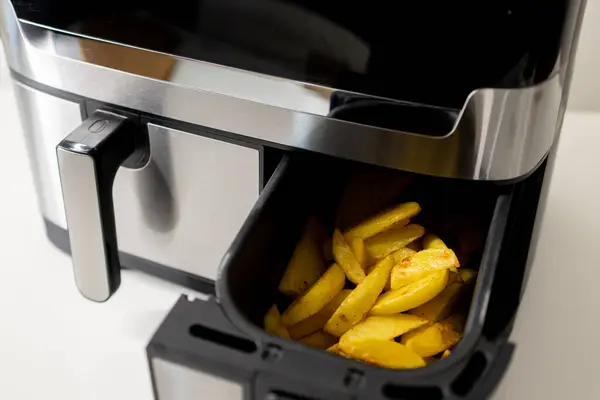
Use a moderate temperature, often around 160°C to 180°C, depending on the food. Place the food in a single layer where possible and avoid overcrowding the basket. If the basket is too full, some pieces may crisp quickly while others remain cooler.
Shake the basket or turn the food halfway through. This helps the food heat more evenly.
The main safety point is that crispness does not prove the food is fully reheated. An air fryer can make the outside look ready before the centre is hot. This matters especially with chicken, meat, pies, pastries and thick breaded foods.
An air fryer is not usually the best choice for soup, stew, rice or very saucy foods. These foods often need moisture and stirring, so a microwave or hob is often a better option.
Can You Reheat Food in the Oven?
Yes, you can reheat food in the oven. The oven is a good choice for foods that benefit from even heating and improved texture.
Use it for pizza, pasta bake, lasagne, casseroles, pies, roast dinners, baked potatoes, cooked meat and roasted vegetables. The oven takes longer than a microwave, but it often produces better results.
Preheat the oven first. For many leftovers, a moderate temperature of around 160°C to 180°C works well. Very high heat can brown the outside before the centre is hot enough.
Place the food in an oven-safe dish. If it may dry out, cover it loosely with foil. This helps the middle warm through without burning the top. Thick dishes, such as lasagne, cottage pie and casseroles, need sufficient time because the centre can remain cooler.
For pizza, chips, roasted potatoes or breaded foods, uncover them near the end so the outside can crisp. For meat, add a little gravy, stock or sauce where suitable to help prevent drying out.
Can You Reheat Food in a Slow Cooker?
Many people ask, can you reheat food in a slow cooker? Food safety guidance generally advises against using a slow cooker to reheat cold leftovers.
A slow cooker warms food gradually. While this is useful for cooking, it is not ideal for reheating because food may spend too long at temperatures where bacteria can multiply before it becomes fully hot.
This matters for foods such as chilli, curry, stew, soup, pulled meat and sauces. Although these dishes may seem suitable for a slow cooker, they should be reheated thoroughly first using a microwave, hob or conventional oven.
Once the food is piping hot throughout, a preheated slow cooker may be used to keep it warm for serving, provided it remains safely hot.
Can You Reheat Food in a Plastic Container?
You should only reheat food in a plastic container if the container is clearly labelled as microwave-safe or suitable for reheating.
Not all plastic containers are designed for heat. Some takeaway tubs, yoghurt pots, margarine tubs and inexpensive storage containers may be suitable for cold storage but not for reheating.
Many people also ask, can you reheat food in styrofoam? As a general rule, you should not reheat food in polystyrene (commonly called Styrofoam) containers unless the manufacturer specifically states that the container is microwave-safe. Some polystyrene containers can become damaged by heat and may not be suitable for reheating.
If you are unsure, transfer the food to a glass, ceramic or clearly labelled microwave-safe dish. This is especially important for oily, fatty or very hot foods, as heat can affect unsuitable containers more significantly.
Do not use plastic containers that are cracked, scratched, warped or badly stained for reheating. Also, make sure any lid or cover is microwave-safe and vented so steam can escape.
Can You Reheat Food in Styrofoam?
You should not reheat food in Styrofoam unless the packaging clearly says it is safe for reheating. Many people ask, can you reheat food in Styrofoam? Most foam takeaway containers are made for carrying food, not heating it.
Styrofoam can soften, melt or become damaged when exposed to heat. It can also create a mess and may affect the food.
The safer option is to transfer the food into the right container before reheating. Use a microwave-safe dish for the microwave, an oven-safe dish for the oven, and a pan for the hob.
This is particularly important with takeaway leftovers. Just because food arrived in a container does not mean that container is safe for reheating.
Can You Reheat Food in a Plastic Container?
Many people also ask, can you reheat food in a plastic container? You should only reheat food in a plastic container if the packaging clearly states that it is suitable for reheating.
Can You Reheat Food That Says “Do Not Reheat”?
If a food label says “do not reheat”, follow the label and do not reheat it.
Many people search for can you reheat food that says do not reheat. That instruction may be there for safety, quality or product-specific reasons. Some foods may not reheat evenly. Others may have already been cooked or heated during production. Some may contain ingredients that do not stay safe or stable after another heating.
You do not know what testing or assumptions the manufacturer used. So, if the packaging tells you not to reheat the food, the safest option is to follow that advice.
This is especially important for chilled ready meals, cooked seafood products, dairy-based sauces and delicate egg dishes.
Can You Reheat Food With Sour Cream in It?
You can sometimes reheat food with sour cream in it, but it needs gentle heat.

The main issue is texture. Sour cream can split, curdle or become grainy when heated too quickly or boiled. This does not always mean the food is unsafe, but it can make it unpleasant.
If sour cream is mixed into a dish, such as stroganoff, creamy pasta, chilli or soup, reheat slowly over low heat and stir often. Do not boil it hard.
If the sour cream is only on top, remove it before reheating if possible and add fresh sour cream afterwards.
The food must still become piping hot throughout. Do not underheat a dish just to protect the sour cream texture.
Can You Reheat Salmon, Prawns and Scrambled Eggs?
You can reheat salmon, prawns and scrambled eggs, but they all need care.
Salmon can dry out quickly. Reheat it gently in the oven under foil, in a pan on low heat, or in short microwave bursts. It should be hot throughout, but not repeatedly reheated.
Prawns are delicate and can become rubbery. Reheat them gently, preferably as part of a sauce, curry, pasta or stir-fry. Only reheat prawns if they were stored safely, and do not eat them if they smell unpleasant or feel slimy.
Scrambled eggs can be reheated, but they often become dry or rubbery. Use low heat in a pan or short bursts in a microwave. Stir gently and eat promptly.
As with other leftovers, these foods should only be reheated once.
Many people ask can you reheat rice, can you reheat chicken, can you reheat cooked chicken, can you reheat chicken twice, can you reheat food, can you reheat food twice, or can you reheat food multiple times. As a general food safety rule, food should be stored correctly, reheated until piping hot throughout, and ideally reheated only once.
Know the Limits
Safe reheating also means knowing when not to reheat food.
Leftovers should be cooled and placed in the fridge within two hours. Food safety guidance from the FSA states that cooked food should be cooled quickly and refrigerated promptly, and leftovers should generally be eaten within 48 hours or frozen if they will not be eaten in time.
If frozen leftovers have been defrosted, they should be reheated and eaten promptly. Make sure they are fully defrosted before reheating unless the food instructions state that it can be cooked from frozen.
Avoid repeatedly freezing, thawing and reheating the same food. The more temperature changes food goes through, the greater the risk of safety and quality issues.
Do not reheat food if you do not know its history. If you are unsure when it was cooked, how long it was left out, whether it was stored properly, or whether it has already been reheated, it is safer not to eat it.
Foods to Handle with Extra Care
Some foods are not automatically unsafe to reheat, but they require extra attention.
Rice should be cooled quickly, stored in the fridge and reheated only once. It should be steaming hot throughout before eating. Many people ask can you reheat microwave rice — yes, but only if it has been stored safely after cooking and treated like any other cooked rice.
Chicken and other poultry should be reheated until the thickest part is hot. Cutting it into smaller pieces helps heat reach the centre more evenly. If you are asking can you reheat chicken or can you reheat cooked chicken, the answer is yes when handled correctly. However, can you reheat chicken twice? Food safety guidance generally says no — reheat once only.
Seafood, including salmon and prawns, should be reheated gently but thoroughly. Many people ask can you reheat salmon and can you reheat prawns — yes, but they must be stored safely, reheated carefully, and checked before eating. If seafood smells or looks unusual, it should not be eaten.
Egg dishes such as scrambled eggs can be reheated, but only if stored safely. Many ask can you reheat scrambled eggs — yes, but use gentle heat and eat promptly, as texture can deteriorate quickly.
Pork can also be reheated safely if handled correctly. Many people ask can you reheat pork — yes, but it should be heated thoroughly, and the thickest part must be piping hot before serving.
Dairy-based sauces, creamy dishes and foods with sour cream can split when reheated. Use low heat and stir often, but do not underheat the food.
Large dishes such as lasagne, cottage pie, shepherd’s pie and casseroles need enough time because the centre can remain cool. Covering with foil and using moderate heat helps even reheating.
Takeaway meals need extra judgement because you may not know how long they were warm before delivery. Store leftovers quickly and reheat only once.
Quick Guide: Can You Reheat These Foods?
| Food or situation | Can you reheat it? | Main safety tip |
| Rice | Yes | Cool quickly, refrigerate and reheat once |
| Chicken | Yes | Check the thickest part is piping hot |
| Cooked chicken | Yes | Cut into smaller pieces for even heating |
| Chicken twice | No | Reheat once only |
| Microwave rice | Yes, if stored safely after cooking | Treat it like normal cooked rice |
| Pork | Yes | Add moisture and heat thoroughly |
| Salmon | Yes | Reheat gently and check the centre |
| Prawns | Yes | Reheat once and avoid if smell or texture seems wrong |
| Scrambled eggs | Yes | Use gentle heat and eat promptly |
| Sour cream dishes | Sometimes | Reheat gently, but still make food piping hot |
| Food in plastic | Only if microwave-safe | Transfer if unsure |
| Food in Styrofoam | Usually no | Use a proper heat-safe dish |
| “Do not reheat” food | No | Follow the label |
| Slow cooker leftovers | Not recommended | Reheat first using hob, oven or microwave |

Conclusion
So, can you reheat food? Yes, provided it has been stored safely and reheated properly.
The golden rule is to reheat food until it is piping hot all the way through. Stir microwave food, check the centre of thick dishes, and do not rely on the surface alone. Food should generally only be reheated once, and leftovers should be refrigerated within two hours.
Rice, chicken, seafood, eggs, pork, dairy-based dishes and takeaway meals all need extra care, but they are not automatically unsafe if handled correctly. The real risk usually comes from poor storage, repeated reheating, unsuitable containers or uneven heating.
For anyone working towards food hygiene, catering, hospitality, care or cleaning roles, these everyday rules are useful to know. Training Facility UK can help learners build practical knowledge for safer homes and workplaces, and reheating food correctly is one of those basic habits that supports better food safety.