Can You Reheat Chicken? A Step-by-Step Guide to Doing It Safely
Can you reheat chicken? Yes, you can reheat chicken, but it must be stored, defrosted, and reheated properly to reduce the risk of foodborne illness. According to general food safety guidance used by public health authorities, cooked chicken should be cooled quickly after cooking, kept refrigerated at or below safe temperatures, reheated only once, and made steaming hot all the way through before eating.
Quick Overview
Can you reheat chicken safely depends on how it has been stored, handled, and reheated. Chicken can be safely reheated if it has been cooled quickly, refrigerated properly, and heated only once until steaming hot throughout.
Whether you’re reheating a quick meal or leftovers from a family dinner, this guide walks you through:
✅ When it is safe to reheat chicken and when to avoid it
✅ Best reheating methods for different types of chicken dishes
✅ Safe storage and refrigeration time limits
✅ Common mistakes like reheating twice or leaving chicken out too long
✅ Food safety tips to reduce the risk of bacterial growth
This applies to chicken breast, chicken curry, chicken wings, chicken sausages, chicken on the bone, roast chicken, fried chicken, and chicken and rice.
The safest rule is simple: if the chicken has been left out for too long, has not been refrigerated, smells unusual, or has already been reheated once, do not reheat it again. When in doubt, it is safer to discard it rather than risk illness.
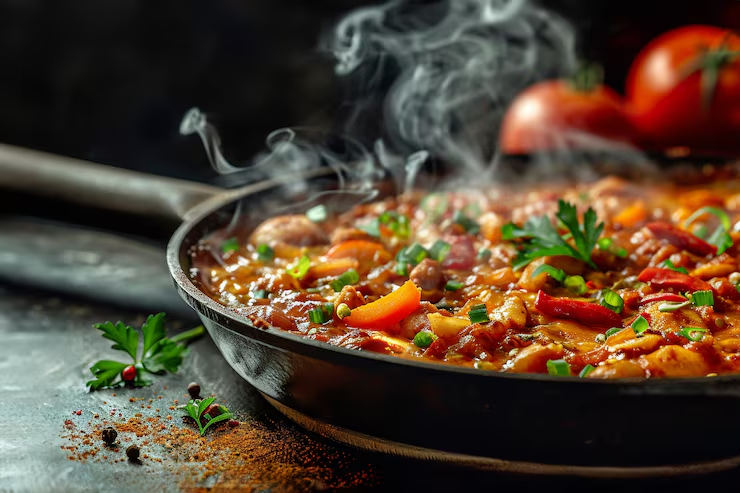
This step-by-step guide is intended to help readers understand safe reheating practices, including which methods work best, how long leftovers typically last in the fridge, and common mistakes to avoid when handling cooked chicken.
Can You Reheat Chicken?
Yes, you can reheat chicken if it has been cooked properly, cooled quickly, stored in the fridge, and not already reheated.
If you are wondering can you reheat chicken, the answer is yes, but only when it has been handled safely. You can reheat cooked chicken in the oven, microwave, air fryer, or on the hob. A common and convenient method is reheating cooked chicken in microwave, especially for smaller portions or quick meals, as long as the chicken is heated evenly throughout.
The best reheating method depends on the type of dish. Chicken curry reheats well on the hob because the sauce helps keep the chicken moist. Chicken wings are usually better in the oven or air fryer if you want the skin or coating to stay crisp. Chicken breast needs gentle heat and added moisture because it dries out easily.
You should not reheat chicken if it was left out for several hours, kept warm for too long, or stored for longer than recommended under general food safety guidance.
The key is not simply to make the chicken warm. It should be heated thoroughly all the way through, with no cold spots in the middle.
Is It Safe to Reheat Chicken?
Yes, it is safe to reheat chicken when it has been handled and stored correctly.
The main risk comes from bacteria that can grow when cooked chicken is left at room temperature or stored improperly. Reheating can reduce this risk only when the chicken is heated until it is steaming hot throughout.
However, reheating cannot fix unsafe storage. Chicken that has been left on the counter overnight should always be discarded. The same applies to cooked chicken that has been left unrefrigerated for several hours.
This also applies to dishes such as chicken with rice, pasta, noodles, cream, gravy, or curry sauce. The entire dish must be stored safely and reheated thoroughly to reduce food safety risks.
Chicken is considered a high-risk food because it contains protein and moisture, which can encourage bacterial growth if not stored correctly.
If you are asking can you reheat chicken twice, the general guidance is no. Chicken should only be reheated once, as repeated reheating increases both safety risks and reduces quality.
How To Reheat Chicken
To reheat chicken safely, first check that it has been stored in the fridge and has not already been reheated. If you are asking can you reheat chicken, the answer is yes, as long as it has been handled and stored correctly.
Then choose the right method. Add moisture if the chicken is dry, and cut larger pieces into smaller portions where possible. Heat slowly so the centre becomes hot, not just the outside.
The chicken should be steaming hot throughout before eating, with no cold spots, especially in thicker pieces, chicken breast, or chicken on the bone.
Once reheated, it should be eaten immediately. You should not reheat a portion, eat part of it, cool the rest, and save it for later, as this increases food safety risks.
A simple reheating process looks like this:
Step-by-Step Reheating Process
| Step | What to Do |
| 1 | Check the chicken was refrigerated properly |
| 2 | Choose the right reheating method |
| 3 | Add moisture if needed |
| 4 | Heat evenly |
| 5 | Check the thickest part |
| 6 | Eat immediately |
Best Methods to Reheat Chicken
Different chicken dishes need different reheating methods, and understanding this helps ensure both safety and quality. For example, many people search for reheating cooked chicken in air fryer because it helps restore texture while heating food evenly.
| Chicken Type | Best Method | Why |
| Roast chicken pieces | Oven | Better for larger portions |
| Chicken breast | Oven or hob with moisture | Helps prevent dryness |
| Chicken curry | Hob or microwave | Sauce helps distribute heat evenly |
| Shredded chicken | Hob or microwave | Heats quickly and evenly |
| Fried chicken | Air fryer or oven | Helps restore crispness |
| Chicken wings | Air fryer or oven | Improves texture |
| Chicken sausages | Oven, hob or microwave | Easy to heat evenly |
| Chicken on the bone | Oven | Needs longer to heat through |
| Chicken and rice | Microwave or hob | Requires careful stirring |

The method matters because chicken can become dry, rubbery, or unevenly heated if reheated incorrectly. Food safety guidance emphasises thorough, even heating, especially for poultry products.
In the Oven: Best for Larger Portions, Whole Pieces or Roasts
The oven is one of the most reliable ways to reheat chicken in larger portions. It is especially useful for roast chicken, chicken breast, thighs, drumsticks, and chicken on the bone.
Preheat the oven to around 180°C. Place the chicken in an oven-safe dish. Add a small splash of stock, gravy, water, or sauce if the meat looks dry. Cover loosely with foil and heat until steaming hot throughout.
For chicken breast, keep it covered for most of the reheating time, as lean meat can dry out quickly. For chicken on the bone, allow extra time because the meat near the bone takes longer to heat.
When considering can you reheat chicken in the oven, this method is often preferred for larger portions because it provides even heat distribution and reliable results when done properly.
On the Stove: Best for Shredded Chicken or Curries
The stove is ideal for shredded chicken, sliced chicken, and chicken curry. If you are wondering can you reheat chicken curry, the answer is yes, provided it has been stored safely and reheated thoroughly.
Place the chicken in a pan with a little sauce, stock, gravy, or water. Heat over medium heat and stir regularly until the chicken is steaming hot throughout.
If you are asking can you reheat chicken breast, the answer is also yes, but it should be reheated gently on the hob with added moisture, as breast meat can dry out quickly.
Curry often reheats well because the sauce helps keep the chicken moist. If the curry contains cream, coconut milk, or yoghurt, use gentle heat, as very high temperatures can cause the sauce to split.
The stove is also useful for shredded chicken used in wraps, pasta, noodles, or rice bowls. For dry shredded chicken, add a splash of stock or sauce before reheating, as small pieces heat quickly but can dry out if overheated.
In the Air Fryer: Best for Crispy Skin or Fried Chicken
Reheating cooked chicken in an air fryer works well for crispy chicken, fried chicken, breaded chicken, nuggets, and wings.
Place the chicken in a single layer and avoid overcrowding the basket. Heat at around 160°C to 180°C, turning halfway through, until the chicken is steaming hot throughout.
The air fryer is especially good for chicken wings because it helps restore crispness and texture.
It is not the best method for chicken curry, stews, or wet dishes, as sauces can splatter, dry out, or burn.
Do not put plastic containers or takeaway boxes in an air fryer.
If you are asking can you reheat chicken in an air fryer, the answer is yes, but it works best for dry or crispy chicken. For saucy dishes, the hob or microwave is usually better for both safety and texture.
In the Microwave: Best for Convenience
Reheating cooked chicken in the microwave is fast and convenient, but it can sometimes dry the chicken out or heat it unevenly if not done properly.
Use the microwave for small portions, shredded chicken, sliced chicken, chicken curry, or chicken and rice. If you are wondering can you reheat chicken in the microwave, the answer is yes, as long as it is heated evenly and safely.
Place the chicken in a microwave-safe dish. Add a splash of water, stock, gravy, or sauce. Cover loosely with a microwave-safe lid or plate. Heat in short bursts, stirring or turning halfway through.
Can you reheat chicken wings in the microwave? Yes, but the skin will usually become soft. For crispier results, the oven or air fryer is better.
Can you reheat chicken and rice in the microwave? Yes, but it must be stirred well and heated evenly so both the chicken and rice are steaming hot throughout. Rice also requires careful storage and should not be reheated repeatedly.
The microwave is useful for speed, but it should not be rushed. Cold spots are common when food is not stirred or turned properly.
If you are asking can you reheat chicken twice UK, the general guidance is no. Chicken should only be reheated once, as reheating multiple times increases the risk of bacterial growth and reduces food quality.
Hob: Good for Reheating Stews or Saucy Dishes
The hob is excellent for chicken stews, chicken curry, chicken casserole, chicken soup, and other saucy dishes.
If you are wondering can you reheat chicken, the answer is yes, as long as it has been stored and handled safely before reheating.
Use a saucepan with a lid. Heat over medium heat, stir regularly, and add a splash of water or stock if the sauce becomes too thick.
Do not rely only on bubbling at the edge of the pan, as thick sauces can heat unevenly. Stir well and check the centre.
For chicken on the bone in sauce, allow extra time so the meat near the bone heats properly and evenly.
The hob is also useful for keeping chicken moist. Compared to the microwave, it gives more control over texture and sauce consistency.
How Long is Leftover Chicken Safe to Eat?
Leftover cooked chicken should usually be eaten within 48 hours if it has been cooled and stored properly in the fridge.
If you are asking can you reheat cooked chicken, the answer is yes, but only within safe storage timeframes and when it has been refrigerated correctly.
If you will not eat it within that time, freeze it earlier to maintain quality and reduce food safety risks.
| Chicken Situation | Safer Action |
| Freshly cooked chicken | Eat now or cool quickly |
| Chicken for tomorrow | Refrigerate and reheat once |
| Chicken kept too long | Throw away or freeze earlier |
| Chicken left out overnight | Throw away |
| Chicken already reheated | Do not reheat again |
| Chicken and rice | Treat both carefully |
| Takeaway chicken | Be cautious if storage is uncertain |
If you are wondering can you reheat chicken if it hasn’t been in the fridge, the answer is generally no. If cooked chicken has been left out for several hours or overnight, it should be discarded for safety reasons.
Do not rely only on smell or appearance, as chicken can look and smell normal even when it is no longer safe to eat.
Tips for Storing Leftover Chicken
Safe reheating always starts with safe storage.
Cool cooked chicken quickly after cooking. Place it in a clean, covered container and refrigerate as soon as possible.
For roast chicken, remove meat from the bone and store it in smaller portions, as this helps it cool and reheat more evenly.
For chicken curry or stew, transfer leftovers into a shallow container so the food cools faster and more evenly.

For chicken and rice, store carefully, as rice requires particular attention. It should be cooled quickly and reheated only once to reduce risk.
Keep cooked chicken separate from raw meat and poultry in the fridge to avoid cross-contamination. Store raw meat on lower shelves where it cannot drip onto cooked food.
If you are batch cooking, label containers with the date so you can easily track freshness and avoid uncertainty later.
How to Defrost Chicken
Frozen cooked chicken is best defrosted in the fridge.
Place it in a covered container and allow it to thaw slowly in the fridge. This keeps it at a safe temperature while defrosting.
If needed, you can use the microwave defrost setting, but only if you are going to reheat and eat the chicken immediately afterwards.
Do not defrost chicken on the kitchen counter for several hours, as this increases the risk of bacterial growth.
Once defrosted, reheat thoroughly until steaming hot throughout and consume immediately.
Do not refreeze cooked chicken after it has been reheated.
For chicken curry, stew, or sauce-based dishes, fridge defrosting helps ensure more even reheating and better texture. Smaller portions also defrost more quickly and evenly than large frozen blocks.
If you are asking can you reheat chicken 3 times, the answer is no. Reheating more than once increases food safety risks and reduces quality.
Quick Tips for Storing and Reheating Leftover Chicken
Cool chicken quickly after cooking. If you are wondering can you reheat chicken, the answer is yes, but only when it has been stored and handled safely.
Store it in a clean, covered container and place it in the fridge as soon as possible.
Eat refrigerated leftovers within 48 hours for best safety and quality.
Freeze leftovers if you will not eat them in time.
Defrost frozen chicken in the fridge where possible, rather than at room temperature.
Reheat chicken only once, and always make sure it is steaming hot throughout.
Cut large pieces smaller before reheating to help them heat more evenly.
Add moisture to chicken breast, as it can dry out easily during reheating.
Use the air fryer or oven for crispy chicken. Many people ask can you reheat chicken wings, and the answer is yes—these methods help maintain texture.
Use the hob for curries and stews. If you are asking can you reheat chicken curry, the answer is also yes, provided it has been stored correctly and heated thoroughly.
Use the microwave for small portions and convenience, especially when time is limited.
Throw chicken away if storage is uncertain or if it has been left out for too long.
These rules apply whether you are reheating chicken breast, chicken curry, chicken wings, chicken sausages, chicken on the bone, or chicken and rice.
Common Mistakes When Reheating Chicken
One common mistake is reheating chicken that has not been stored in the fridge. If cooked chicken has been left out for too long, reheating is not safe. (food.gov.uk)
Another mistake is reheating chicken more than once. If you are asking can you reheat chicken twice, the safer UK food safety guidance is no.
People also use the wrong reheating method. For example, microwaving fried chicken may heat it through, but it can ruin the crisp texture. Similarly, using an air fryer for saucy dishes like curry is not suitable.
Another mistake is not stirring or turning food during reheating, especially in the microwave, which can lead to cold spots.
Large pieces of chicken can also be risky if not heated properly, as the outside may become hot before the centre. Chicken on the bone needs extra care and longer heating time. If you are wondering can you reheat chicken on the bone, the answer is yes, but it must be heated thoroughly all the way through.
Finally, some people keep leftovers for too long. Cooked chicken should not be stored in the fridge for several days without being eaten or frozen.
Potential Risks of Reheating Chicken Incorrectly
Reheating chicken incorrectly can increase the risk of foodborne illness.
The risk is higher when chicken has been left at room temperature, stored for too long, defrosted incorrectly, reheated unevenly, or reheated more than once.
Possible symptoms of food poisoning may include stomach pain, nausea, vomiting, diarrhoea, fever, and general discomfort.
The safest approach is prevention: store chicken correctly, reheat it once, and ensure it is steaming hot throughout.
This is especially important for children, older adults, pregnant people, and individuals with weaker immune systems, as they are more vulnerable to foodborne illness.
If you are unsure whether chicken has been stored safely, it is always better to throw it away.
What Happens If Chicken Is Reheated More Than Twice?
Chicken should not be reheated more than once.
If you are asking can you reheat chicken, the answer is yes, but only when it has been stored and handled safely.
If you are wondering can you reheat chicken twice UK, the safer food safety guidance is no. Chicken should only be reheated once.
If you are asking can you reheat chicken 3 times, the answer is also no. Reheating chicken three times is not recommended under standard food safety practices.
Each reheating and cooling cycle gives bacteria another opportunity to grow if the food is not handled correctly. It can also reduce quality, making chicken dry, tough, and less pleasant to eat.
The better habit is to store chicken in portions so you only reheat what you plan to eat. This reduces waste and improves safety.
If you accidentally reheated too much chicken, do not save reheated leftovers for another day. Eat what you need and discard the rest.
Frequently Asked Questions (FAQ)
Can you reheat cooked chicken?
Yes, if it has been cooled quickly, stored in the fridge, and has not already been reheated.
Can you reheat chicken twice?
No. Chicken should only be reheated once.
Can you reheat chicken twice UK?
The safer UK food safety guidance is to reheat food only once.
Can you reheat chicken 3 times?
No. Reheating chicken three times is not recommended.
Can you reheat chicken if it hasn’t been in the fridge?
If cooked chicken has been left out for several hours or overnight, it should be thrown away.
Can you reheat chicken curry?
Yes. Reheat it on the hob or in the microwave until it is steaming hot throughout.
Can you reheat chicken breast?
Yes, but add moisture and avoid overheating, as chicken breast can dry out easily.
Can you reheat chicken wings?
Yes. Use the oven or air fryer for crispness, or the microwave for speed.
Can you reheat chicken wings in the microwave?
Yes, but the skin will usually become soft when microwaved.
Can you reheat chicken and rice?
Yes, but both must be stored safely and reheated thoroughly until steaming hot throughout.
Can you reheat chicken sausages?
Yes, if they have been stored correctly. Reheat once until hot throughout.
Can you reheat chicken on the bone?
Yes, but the oven is usually best. Always check the thickest part is fully heated.
Can you reheat chicken in the oven?
Yes. The oven is ideal for larger portions, roast chicken, and chicken on the bone when reheated properly.

Final Words
You can reheat chicken safely if you handle it correctly from the start.
Cool cooked chicken quickly, store it in the fridge, eat it within 48 hours or freeze it, reheat it only once, and ensure it is steaming hot throughout.
Use the oven for larger pieces, the hob for curries and stews, the air fryer for crispy chicken, and the microwave for small portions. Avoid reheating chicken that has been left out, reheating it multiple times, or rushing the process.
If you are asking can you reheat chicken in the oven, the answer is yes, and it is one of the most reliable methods for larger portions and bone-in cuts.
For learners interested in food hygiene, catering, hospitality, or everyday kitchen safety, reheating chicken is an important practical skill that supports safer food handling habits at home and in professional environments.