Diploma in Anthropology

- Lifetime Access
- All Levels
- PDF Certificate
Have Faith In
Learning With Us






Overview
🌍 Unlock the Mysteries of Humanity with Anthropology! 🌍
Welcome to an enriching journey through the study of humanity itself! 🚀 Our course, “Anthropology,” is your passport to understanding the diverse cultures, societies, and behaviors that make up our world. 🌎 Whether you’re a curious soul eager to explore the depths of human existence or a budding scholar seeking to broaden your academic horizons, this course offers a captivating adventure into the heart of anthropology.
🔍 What is Anthropology?
Anthropology is the study of human beings, their cultures, societies, and evolutionary origins. 🧬 It delves into the complexities of human behavior, beliefs, languages, and social structures across time and space. From ancient civilizations to contemporary societies, anthropology offers a holistic perspective on what it means to be human. 💡
💡 Benefits of Taking this Course
🌟 Cultural Awareness: Gain a deeper understanding and appreciation of cultural diversity, fostering empathy and respect for people from different backgrounds.
🌟 Critical Thinking: Develop critical thinking skills as you analyze and interpret cultural phenomena, challenging preconceived notions and biases.
🌟 Global Perspective: Explore the interconnectedness of human societies across the globe, recognizing the complex web of relationships that shape our world.
🌟 Interdisciplinary Insights: Draw upon insights from various disciplines such as sociology, archaeology, linguistics, and biology to unravel the complexities of human existence.
🌟 Career Enhancement: Enhance your career prospects by acquiring valuable skills in research, analysis, communication, and cross-cultural understanding.
🔍 Who is this for?
👩🎓 Students: Whether you’re pursuing a degree in anthropology or simply fulfilling general education requirements, this course offers a fascinating exploration of human culture and society.
👨💼 Professionals: Professionals in fields such as education, social work, international relations, and healthcare can benefit from a deeper understanding of cultural dynamics and diversity.
🌐 Global Citizens: For anyone curious about the world and eager to expand their cultural horizons, anthropology provides invaluable insights into the richness and complexity of human societies.
🔍 Career Path
🎓 Academic Research: Pursue advanced studies in anthropology or related fields, conducting research on topics ranging from cultural anthropology to biological anthropology.
💼 Cultural Heritage Management: Work in museums, cultural institutions, or government agencies to preserve and promote cultural heritage, artifacts, and traditions.
🌍 International Development: Apply anthropological insights to address social and cultural challenges in international development projects, promoting community engagement and sustainability.
📚 Education: Teach anthropology at the university level or develop educational programs focused on cultural awareness and diversity in schools and community organizations.
💡 Ready to Dive into the World of Anthropology?
Embark on an exhilarating intellectual journey with our “Anthropology” course and unlock a deeper understanding of humanity’s past, present, and future. Enroll now and join a vibrant community of learners passionate about exploring the wonders of human culture and society! 🌟
FAQ (Frequently Asked Questions) for Anthropology Course
Q1: What is Anthropology?
Anthropology is the study of humanity, encompassing everything from our evolutionary origins to contemporary cultures and societies. It explores human biological and cultural diversity, as well as the ways in which people interact with their environments and each other. Anthropologists employ a holistic approach, drawing on insights from various disciplines such as biology, archaeology, linguistics, and sociology to understand the complexities of human existence.
Q2: What are the main subfields of Anthropology?
Anthropology is typically divided into four main subfields: cultural anthropology, archaeology, biological anthropology, and linguistic anthropology. Cultural anthropology focuses on the study of contemporary human cultures and societies, examining patterns of behavior, belief systems, and social organization. Archaeology involves the study of past human societies through material remains such as artifacts, structures, and landscapes. Biological anthropology explores human biological diversity, evolution, and behavior, including topics such as genetics, primatology, and forensic anthropology. Linguistic anthropology investigates the role of language in human societies, including how languages evolve, shape culture, and influence social interactions.
Q3: What can I expect to learn in an Anthropology course?
In an Anthropology course, you can expect to learn about the fundamental concepts, theories, and methods used in the discipline. This may include topics such as cultural relativism, kinship systems, archaeological excavation techniques, human evolution, language diversity, and ethnographic research methods. Additionally, you may explore case studies from different cultures and time periods to gain a deeper understanding of anthropological concepts in practice.
Q4: What are the career opportunities for Anthropology graduates?
Anthropology graduates possess a versatile skill set that is valued in a variety of fields. Some career options include cultural resource management, museum curation, international development, forensic anthropology, public health, social work, and academia. Anthropologists may work in governmental agencies, non-profit organizations, research institutions, consulting firms, or educational institutions, depending on their interests and specialization.
Q5: How can Anthropology benefit me in everyday life?
Studying Anthropology can enhance your understanding of cultural diversity, human behavior, and social dynamics, which are valuable skills in today’s interconnected world. It can help you develop empathy, critical thinking, and cross-cultural communication skills, which are essential for navigating diverse social contexts and addressing global challenges. Additionally, Anthropology can provide insights into your own cultural background and identity, fostering self-awareness and appreciation for the complexity of human experiences.
Course Content
Module 1 Scope Of Anthropology
-
Scope Of Anthropology
00:00
Module 2 Antiquity of Man
Module 3 Race
Module 4 Environment
Module 5 Language
Words That Inspire us to Growth
Frequently Asked Questions
Similar Courses



Get Your Certificate Today
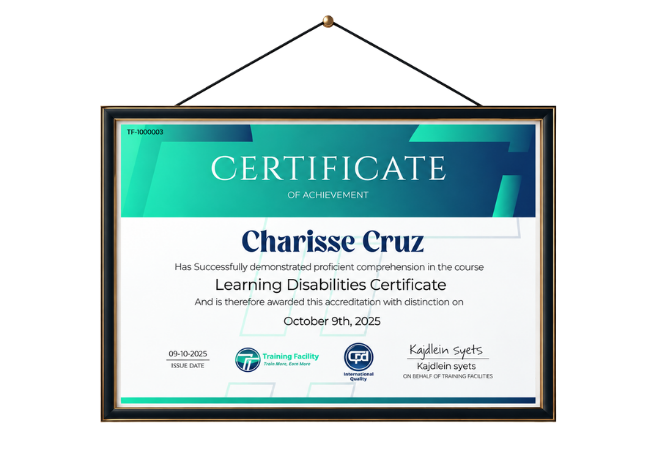
Upon successfully completing this course, you will immediately receive a digital certificate. Additionally, a physical certificate can be purchased. All of our courses are fully accredited, equipping you with up-to-date skills and knowledge to enhance your competence and effectiveness in your field. While our certifications have no expiry dates, we recommend checking the course materials often as we continuously update them to be more relevant.
Order Now